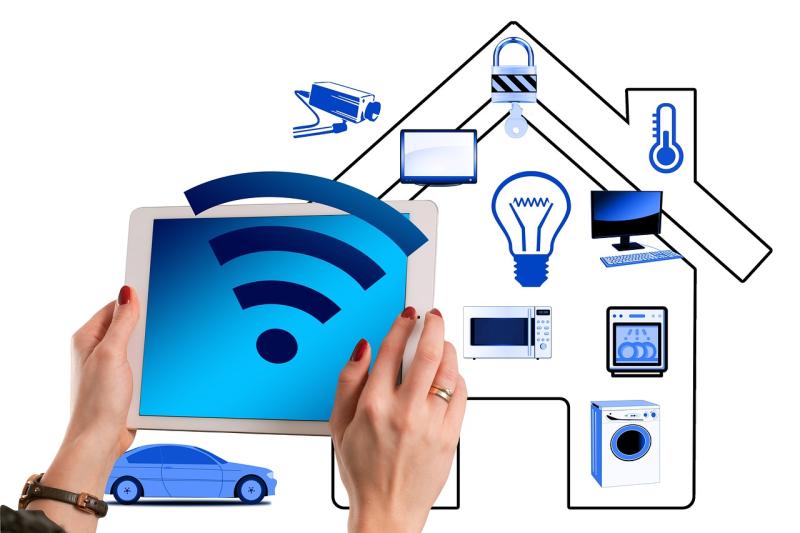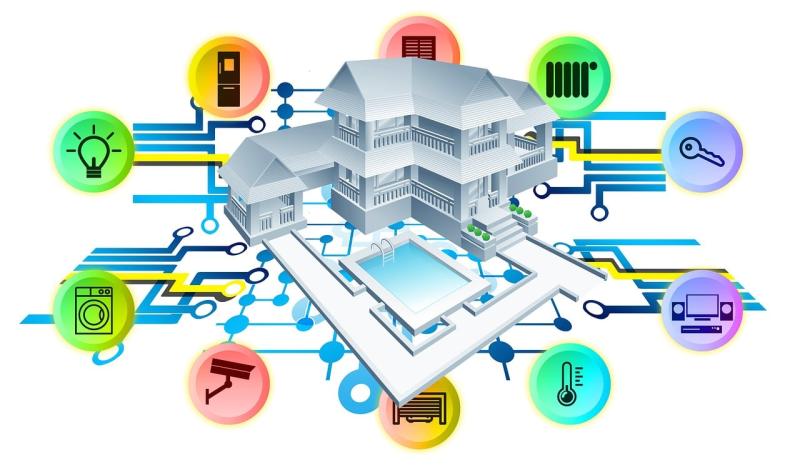
When diving into home automation, understanding WiFi is key. It's no longer just about browsing the internet; it’s about connecting various devices in your home to make your life easier. With the right WiFi setup, your lights, thermostat, security cameras, and even your coffee maker can all talk to each other!
So, what makes WiFi such a hit for home automation? For starters, it’s pretty much everywhere. Most homes already have a WiFi network, which means you can easily add smart devices without the hassle of running cables. Plus, WiFi-enabled devices can usually be controlled from anywhere using your smartphone. You're out grocery shopping? Adjust your thermostat or check your security cameras with a tap!
However, not all WiFi connections are created equal. If you have many devices connected at once, you might notice a slow down in performance. The key here is to invest in a good router that can handle the load. Also, consider the range of your WiFi. If you have a larger home, a range extender might be necessary to ensure that every corner of your house keeps up with your smart devices.
Lastly, security is crucial. Many smart home devices connect to your WiFi, making it important to set up a strong password and regularly update your network settings. Keeping your WiFi secure means you can enjoy your smart home without worrying about outside threats.
Benefits of Wired Home Automation
When it comes to home automation, going wired can offer some fantastic benefits that might just make your life a whole lot easier. If you're considering whether to go the wireless route or stick with a wired setup, let’s dive right into why a wired home automation system might be the way to go.
First up, let’s talk about reliability. Wired systems connect directly to your network, which means you won’t have to deal with dropped signals or interference from other devices. Whether it’s controlling your lights, security cameras, or smart speakers, you can count on everything to work smoothly without interruptions. This is especially great if you have a busy household or if you’re someone who just likes things to run without a hitch.
Another big plus is speed. Wired connections usually provide faster response times compared to Wi-Fi. This can be a game-changer when you want things to happen instantly, like locking your doors or adjusting your thermostat. When you press a button, you want the action to happen right away, and wired systems tend to deliver on that front.
Security is also a major benefit of choosing wired home automation. Since everything is connected via cables, it’s much harder for outlaws to intercept signals. This added layer of protection can give you peace of mind, especially when you’re at home or away on vacation. Plus, you can stash your cables away so they don’t become a tripping hazard!
Lastly, let’s not forget about the longevity of wired systems. These setups are generally more durable and can handle the test of time better than wireless options. You won’t need to worry as much about your devices becoming obsolete or needing constant updates. A solid wired system can be a worthwhile investment for your home!
Which Option is More Reliable
When deciding between WiFi and wired home automation, reliability is a big concern for many of us. You want a system that works seamlessly without freezing or disconnecting, especially in a connected home where all your devices rely on communication. Let's break down how each option stacks up in terms of reliability.
WiFi is super convenient. It's wireless, which means you can place devices wherever you want without worrying about running cables. However, WiFi can sometimes be a little finicky. Signal interference from walls, other electronics, or even neighbors' networks can cause issues. Plus, if your internet is down, your smart devices may not work as intended.
On the flip side, wired connections are known for their solid reliability. They provide a stable connection that isn’t affected by interference, so you can trust your devices will stay connected. Running cables might require a bit more effort and planning, but once set up, you typically enjoy minimal downtimes and faster speeds, especially when it comes to streaming video or using high-bandwidth devices.
If consistent control over your home automation is your main goal, think about how often you use your devices and what they do. For essential devices, like security cameras or smart locks, you might prefer a wired setup for that peace of mind, while casual devices like smart lights or thermostats could work just fine with WiFi.
Choosing What's Best for Your Home
When it comes to home automation, one of the first questions you’ll run into is whether to go with WiFi or a wired connection. Each option has its pros and cons, depending on your specific needs and setup. Let’s break it down in a way that makes it easier to decide.
WiFi is super convenient. It’s easy to set up and you can control everything from your phone or tablet while on the go. Plus, with WiFi, you can add new devices without any extra wires cluttering your space. This is especially handy if you’re renting or don’t want to drill holes for cables. However, it can be a little less reliable, especially if you have a lot of devices connected or if your WiFi signal isn’t strong throughout the house.
On the flip side, wired connections tend to offer a more stable and secure connection. If you have multiple devices and they all need to work consistently, running Ethernet cables might be the way to go. Once it’s all set up, you won’t have to worry about lag or dropped signals. The downside is that installation can be more complicated and might require some professional help, especially if you want to hide those cables.
Ultimately, it’s about what works best for your home. If you prefer flexibility and ease of access, WiFi could be your best bet. But if you value reliability and speed, especially for things like smart security systems, going wired might just be worth the extra effort. Whatever you choose, just make sure it fits your lifestyle and needs!